
Why Winter is the Best Time for a Hearing Health Checkup
Winter tends to shift how we spend our time, bringing more indoor

By: admin | January 19, 2026
Winter tends to shift how we spend our time, bringing more indoor gatherings, holiday events and quiet evenings at home. This seasonal change also makes it an ideal moment to check in on your hearing health.
When you’re spending more time in close quarters with family and friends, having conversations around the dinner table or catching up in living rooms, any difficulty hearing becomes more noticeable.
You might find yourself asking people to repeat things more often, struggling to follow group conversations or feeling left out when multiple people are talking at once.
Winter’s slower pace and the natural tendency to focus on indoor activities make it easier to notice these patterns and do something about them before they start affecting your enjoyment of the season.
Beyond just noticing issues, winter is also a practical time to schedule a hearing checkup because your calendar might have more flexibility than during busier seasons.
Getting your hearing evaluated now means you can address any concerns before the holidays are in full swing, giving you time to explore solutions if needed and feel prepared for upcoming gatherings.
Cold air and dry winter conditions can make the skin in your ears feel dry or itchy, sometimes causing discomfort when wearing hearing aids. You may notice mild irritation if your ears become too dry.
Wearing hats and scarves offers protection from wind and cold, but if these cover your ears too tightly, they can block sound or create feedback with hearing aids. Finding the right balance helps keep your ears warm while maintaining clear hearing.
While winter often means fewer loud outdoor noises and more quiet time indoors, ear infections can become more common in colder months. Sudden changes in temperature may also impact how well your hearing devices function.
Exposure to cold air can cause blood vessels in your ear canal to shrink, leading to numbness or tingling. For those using hearing aids, cold weather can drain batteries faster and affect device performance.
Keeping your ears warm without blocking out sounds is important. Earmuffs or hats made from thinner materials can offer protection while still allowing you to hear conversations.
Dry winter air may also make the skin inside your ears more sensitive or itchy, especially if you wear hearing aids. Using a gentle, unscented moisturizer around the outer ear can help reduce dryness and keep your skin comfortable.
Indoor heating keeps your home warm but can dry out the air, leading to dryness and itchiness in your ears. This can be uncomfortable, especially for those using hearing aids, as dry skin may affect how devices fit and feel.
When air is too dry, the skin inside and around your ears may crack or feel sore. A humidifier can add moisture back into the air, easing some of these issues. Keeping your ears clean and using gentle moisturizers around the outer ear may also help reduce irritation.
Winter and seasonal shifts often bring more time indoors and quieter settings, making it easier to notice changes in your hearing.
You might find yourself asking people to repeat themselves more often at family gatherings or feeling left out during group conversations in busy rooms.
Some common signs to watch for include:
Winter brings its share of colds and flu, and while most people focus on congestion, coughs and sore throats, these illnesses can also affect your ears. Even mild symptoms can leave your ears feeling blocked or uncomfortable, making everyday sounds seem muffled or off balance.
When your ears are affected by a cold or flu, you may notice several common symptoms:
Busy winter spaces like restaurants or family gatherings often come with a lot of background noise. This extra noise can make it much harder to hear conversations, especially if you already have some hearing loss.
Sounds like laughter, clinking dishes and music can blend together, making speech less clear. Even those with normal hearing may find it difficult to follow along, but for people using hearing aids or other devices, background noise can be even more distracting and tiring.
Holiday gatherings are filled with conversation and laughter, but background noise and multiple speakers can make it hard to hear clearly if you have hearing loss. Clear communication helps you feel included and enjoy these special moments.
You can make conversations easier by:
Many winter days are spent in quiet indoor settings like reading at home or watching television with family. In these calm environments, early signs of hearing loss may go unnoticed because there is less background noise and fewer group conversations.
Small changes in your hearing might not be obvious until you return to busier places or try to follow conversations in groups again. Some people only realize there is a problem after spending time in louder environments following a quiet period at home.
Taking care of your hearing health before spring arrives offers several benefits. Addressing your needs early helps you avoid seasonal difficulties and prepares you for upcoming activities.
Some advantages include:
Protecting your ears from cold winds and low temperatures is important during winter. Cold air and strong winds can cause numbness or pain if you are outside for long periods.
To keep your ears safe:
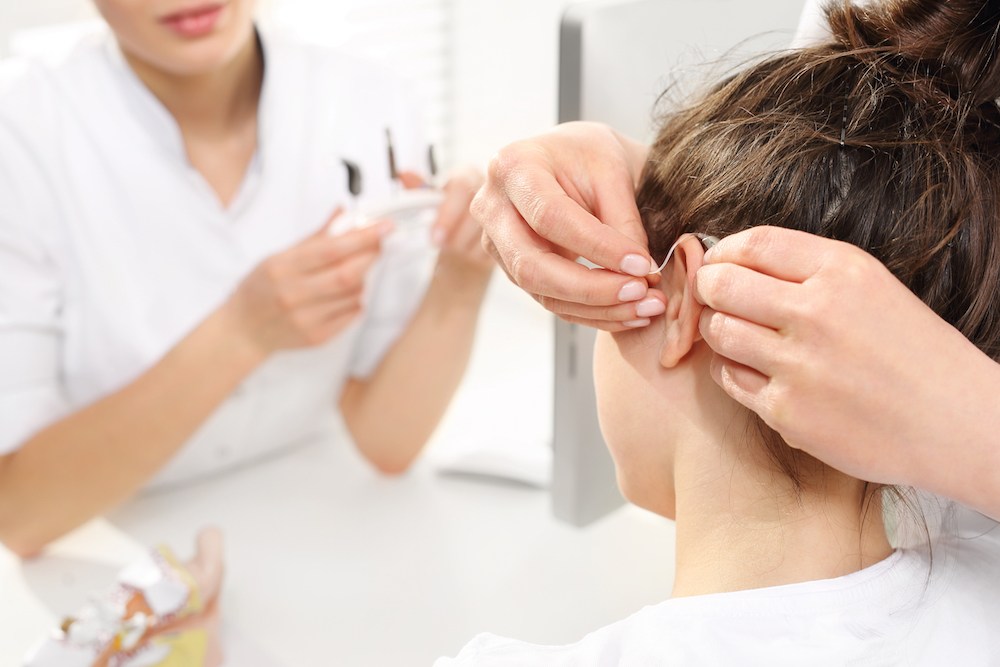
A hearing health checkup is a thorough evaluation of your ears and hearing conducted by an audiologist. The process begins with a conversation about your overall health and medical history. The audiologist will ask about any current concerns you have, like difficulty hearing in certain environments, ringing in the ears or changes in your hearing.
They will also review your family history, as hearing changes can sometimes run in families, and discuss medical conditions or medications that could affect your hearing.
This information helps the audiologist understand factors that may influence your hearing and guides the rest of the evaluation.
Next, the audiologist will perform a visual inspection of your ears. Using specialized tools, they check the outer ear and ear canal for any signs of blockages, wax buildup or structural issues. They may also look for indications of infection or inflammation that could be affecting your hearing.
This step ensures that your ears are healthy and helps identify any conditions that could be contributing to hearing difficulties before moving on to hearing tests.
Following the inspection, the audiologist will conduct a series of hearing assessments tailored to your age and needs. These tests measure how well you hear different pitches and volumes, both in quiet settings and in the presence of background noise.
During a hearing health checkup, an audiologist may use several types of hearing tests to get a complete picture of your hearing abilities.
One common test measures how well you hear different tones at various volumes, helping identify any hearing loss across high, mid or low frequencies. Speech recognition tests evaluate how clearly you can understand words in quiet and noisy environments.
The audiologist might also use specialized tests to check how your ears and auditory nerves respond to sound, or how well your middle ear functions. Each test provides unique information, allowing the audiologist to understand your hearing in detail and recommend the most appropriate strategies for care or support.
The results provide a detailed picture of your hearing abilities and can reveal areas where your hearing may be changing. The audiologist will then discuss the findings with you, explain what the results mean and offer recommendations for protecting your hearing or improving it if needed.
Checking in on your hearing now can help you identify any changes, address them promptly and ensure you’re fully immersed during the season’s indoor gatherings and quieter evenings at home.
Even small changes in how you hear can affect how connected you feel in social settings, and noticing these shifts early gives you the chance to take action
Scheduling a hearing checkup is simple and can provide peace of mind. At Audiologists Hearing Center in Edina, MN, we can review your hearing history, perform a thorough evaluation and discuss any next steps tailored to you.
You can reach us at (952) 206-4101 to set up an appointment and make sure your hearing is ready for the conversations and connections that matter most this winter.
Winter tends to shift how we spend our time, bringing more indoor
By: admin | January 19, 2026

Winter weather can create unique challenges for your hearing aids, and
By: admin | November 18, 2025
Warmer weather brings countless opportunities for outdoor fun, but many of
By: admin | September 24, 2025