
What Is Patient Coaching for New Hearing Aid Wearers?
If you spend time around 50th and France, you know how noisy everyday

By: Michael Oscarson, M.A. | June 25, 2026
Most people walk out of a hearing evaluation with a general sense of how it went, but not much else. Maybe you were told your hearing looks fine, or maybe something came up that needs attention.
Either way, what happens after the test is just as important as the test itself. That’s when you have a knowledgeable person in front of you who has just looked closely at how your ears are functioning, and you can ask them anything.
The problem is that most of us don’t know what to ask. It’s easy to nod along during the results conversation, only to realize on the drive home that you’re not sure what any of it actually meant. A few good questions can change that entirely.
The paperwork you receive after a hearing evaluation can look overwhelming at first. An audiogram is essentially a map of your hearing across different pitches and volumes, and once someone walks you through it, it starts to make a lot more sense.
If your audiologist hasn’t already explained it in detail, ask them to. You should leave that appointment understanding what the chart actually shows, not just whether the news was good or bad.
It’s worth asking where exactly your hearing loss falls on the spectrum, whether it’s mild, moderate or more significant, and whether both ears are affected equally or if one side is doing more work than the other.
If certain situations, like following conversation in a noisy room or hearing higher-pitched voices, have been particularly difficult, ask your audiologist where that shows up in your results.
Connecting the numbers on the page to the real experiences you’ve been having is one of the most useful things that conversation can do for you. And if anything is unclear, ask again. That’s what the appointment is for.
Understanding what kind of hearing loss you have is one of the most important things you can walk away with after an evaluation. There are three main types, sensorineural, conductive and mixed, and each one has different causes and implications for your care.
Knowing which applies to you helps everything else make more sense:
The answers to these questions give you a foundation for understanding not just where your hearing stands today but what to expect going forward.
Your hearing ability is rarely fixed in place, and it is completely normal for your ears to change as the years go on.
While some people notice a sudden drop in how well they catch conversations, most experience a slow shift that happens so gradually they barely notice it at first. Several habits, environmental factors and conditions can influence how your hearing changes:
This prevents you from missing jokes while hanging out with friends or subtle details during a phone call.
Putting off care for your hearing usually sneaks up on you in everyday life. At first, you might just find yourself asking people to repeat themselves or turning up the television a few notches.
Eventually, skipping a crowded shop or Sunday family dinner feels easier than trying to patch together pieces of a broken conversation. This can leave you feeling isolated from the people you love, and they might even start to feel like you are intentionally tuning them out.
There is also a hidden physical toll when you leave these changes alone. Your brain has to work in overdrive just to fill in the blanks of missed words, which is why you might feel completely wiped out by the afternoon.
When your mind spends all its energy straining to listen, it has less power left over for memory, concentration and even balance.
Hearing aids are not one-size-fits-all, and a good audiologist will want to know how you actually spend your days before making a recommendation.
In Minnesota, that can mean very different things depending on the season. Someone who’s out on the lake all summer and sitting in a loud fish house come January has completely different listening demands than someone whose days are mostly made up of phone calls, grocery runs and evening TV.
Both are valid, and both require a different approach.
Beyond the hearing aid itself, there are tools that can make specific parts of daily life easier, things like amplified phones, television streaming systems or apps that connect directly to your devices.
Your audiologist will also walk you through some simple habits, like positioning yourself to see the person speaking or reducing background noise when you can, that work alongside your hearing aids rather than replacing them.
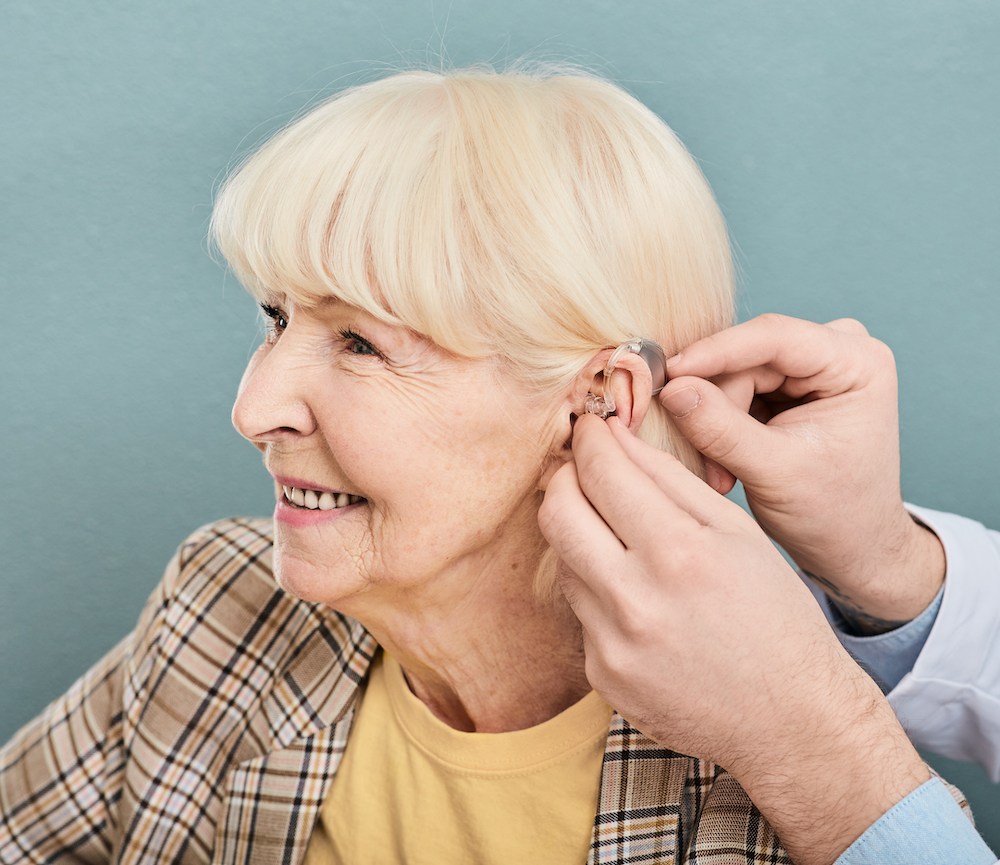
When you first put on your new hearing aids, the world might suddenly sound surprisingly loud. Sounds you stopped noticing years ago will suddenly be back, and your brain needs a little time to sort through all of that again.
It is completely normal for everything to feel a bit intense during those first few weeks as your mind relearns how to sort through these sounds. Wearing your devices consistently each day is the best way to help your brain adapt and make the transition feel natural.
You might also notice a few physical sensations or changes in how your own voice echoes in your head. The devices can feel strange in your ears at first, and some mild irritation or a plugged-up feeling is very common during the first few days.
It is incredibly helpful to write down any specific issues you encounter, like physical discomfort or trouble with background noise. Your specialist will review these notes at your follow-up appointment to fine-tune the settings and make your daily routine comfortable.
Treating hearing changes is a continuous process rather than a single check-up. Establishing a regular follow-up schedule with your audiologist ensures your ears are always getting the right support as your environment shifts.
These upcoming visits give you a perfect opportunity to ask questions about your daily experiences and fine-tune your devices. Keeping an open line of communication helps you get the most out of your care.
During these check-ups, the specialist will check your physical ear health and make precise updates based on your real-world feedback. You can bring a list of questions regarding how to manage specific settings at home or how to handle noisy rooms.
Your specialist can also share tips on how to clean your devices so they stay in great shape. Staying consistent with these appointments makes managing your hearing simple and keeps you fully connected to your family and friends.
Most people have questions about what comes next after a hearing evaluation, and that includes how their insurance works and what support is available to them. It’s worth asking before you leave the office so you’re not piecing it together on your own later.
When you’re talking with your audiologist, consider asking:
Getting clear answers to these questions before you leave means you can focus on your hearing care instead of trying to sort out the logistics afterward.
A hearing evaluation gives your audiologist a detailed look at how your ears are functioning, but that information is only useful if you understand what it means for your life.
Don’t leave the appointment without asking what you came to find out. If something is unclear, ask again. If you want to know what happens next, say so. That conversation is part of the appointment, not an imposition on it.
Audiologists Hearing Center in Edina is a good place to start if you have questions about a recent evaluation or want to schedule one for the first time. Call (952) 206-4101 to set up an appointment and come in ready to ask whatever is on your mind.
Tags: faqs
If you spend time around 50th and France, you know how noisy everyday
By: Michael Oscarson, M.A. | July 26, 2026
Most people walk out of a hearing evaluation with a general sense of how
By: Michael Oscarson, M.A. | June 25, 2026

Winter tends to shift how we spend our time, bringing more indoor
By: Michael Oscarson, M.A. | January 19, 2026